Follow
one place.
Choose a Palestinian village or city. See who lived there before 1948, what happened to them, and what remains today.
These stories name the forces and authorities responsible for specific actions. The site rejects antisemitism and collective blame of Jewish people or Israelis.
Lifta
01 / 03

Before 1948
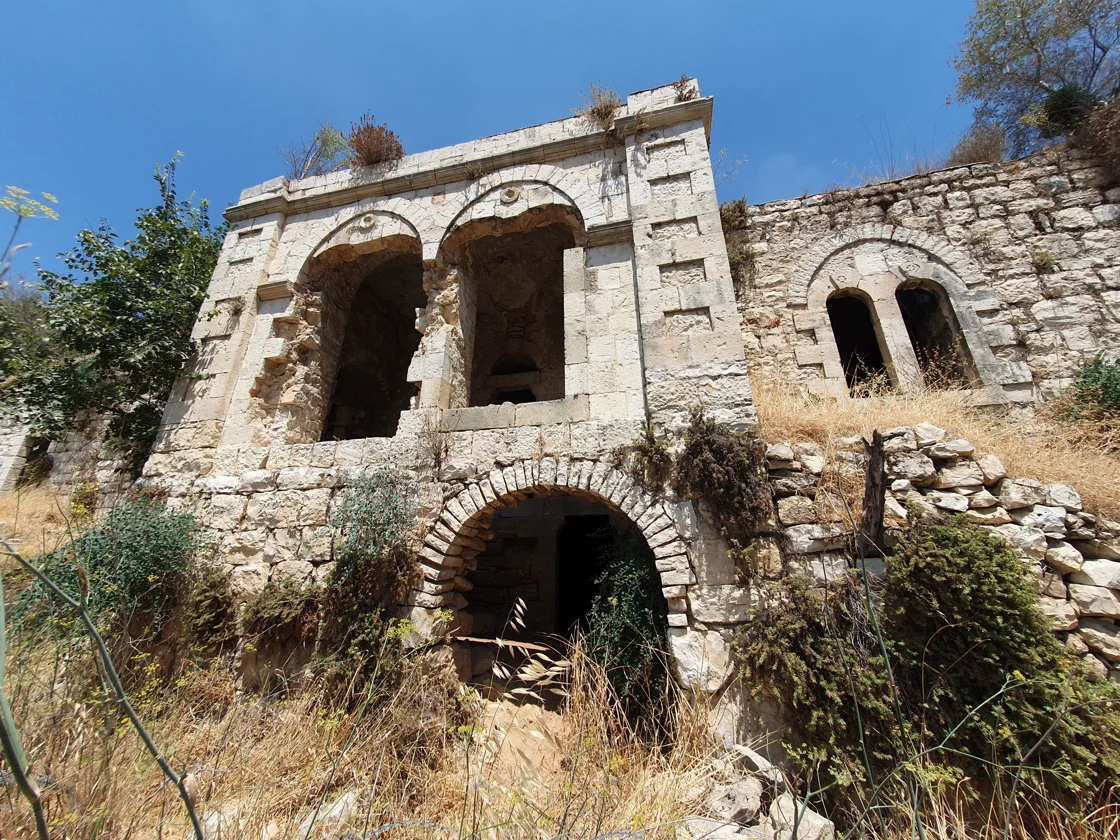
Lifta was a Palestinian village on a hillside at the western approach to Jerusalem. Homes and cultivated terraces surrounded its spring. The Mandate recorded 2,550 people in the village in 1945. Open the Mandate map and population record.
What happened
Armed attacks and fighting in late 1947 and early 1948 drove residents from the village. Read the village history.
What remains
Many of the stone houses survive, alongside the spring and agricultural terraces. Israel documented these features in its 2015 submission to UNESCO’s Tentative List. Read the submission.
Al-Lidd / Lydda
02 / 03

Before 1948
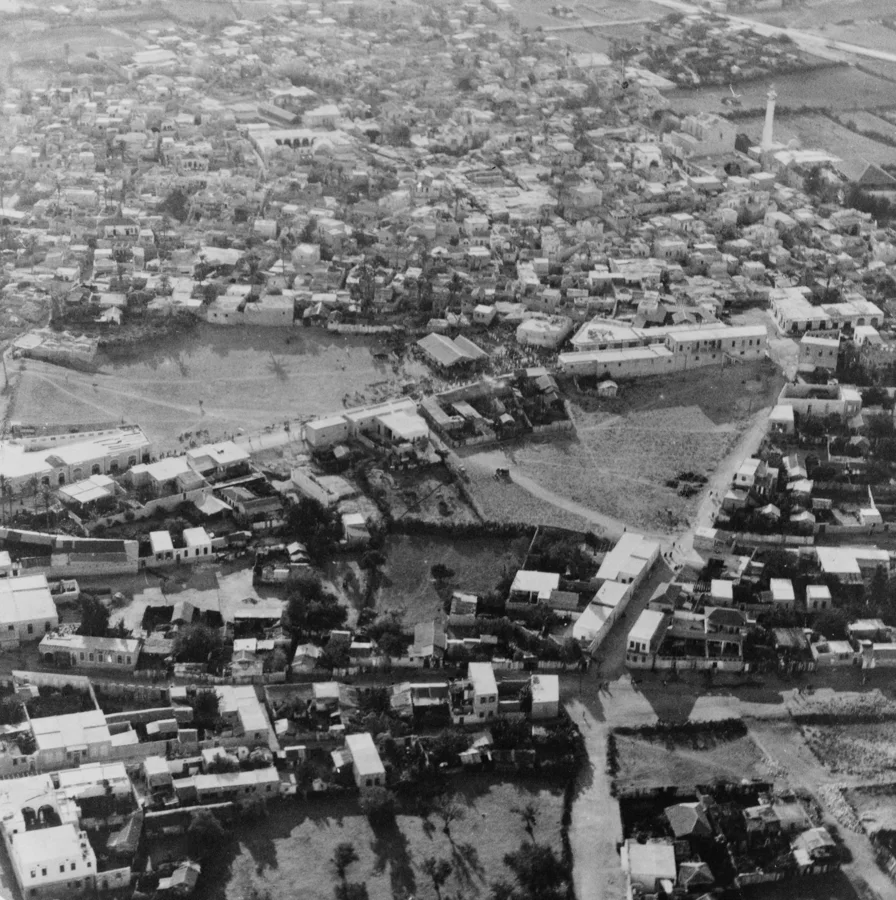
Lydda was a Palestinian city and a railway junction. The Mandate recorded 16,780 residents in 1945. Open the Mandate map and population record.
What happened
Israeli forces captured Lydda in July 1948. The army then issued an order to expel Palestinian residents. Read the chronology. Read historian Benny Morris’s account.
What remains
The city is now called Lod. Arab and Jewish residents live there today. Visit the city’s website.
Hear someone who lived it
Palestinian artist Ismāʻīl Shammūṭ recounts the expulsion in his oral history interview. The segment starts at 52:40. The audio is in Arabic and the archive provides an English interview summary. Open the oral history.
Explore Al-Lidd across a centuryCompare two photographs of the same landmark and try the 15-minute lesson.
Iqrit
03 / 03

Before 1948
Iqrit was a Palestinian village in the Upper Galilee. The Mandate recorded 490 residents in 1945. Open the Mandate map and population record.
What happened
In 1948 the Israeli army ordered the villagers to leave, telling them it would be temporary. Israel’s Supreme Court ruled in their favour in 1951. Authorities prevented their return and the army destroyed the village’s houses that year. Read the documented account.
What remains
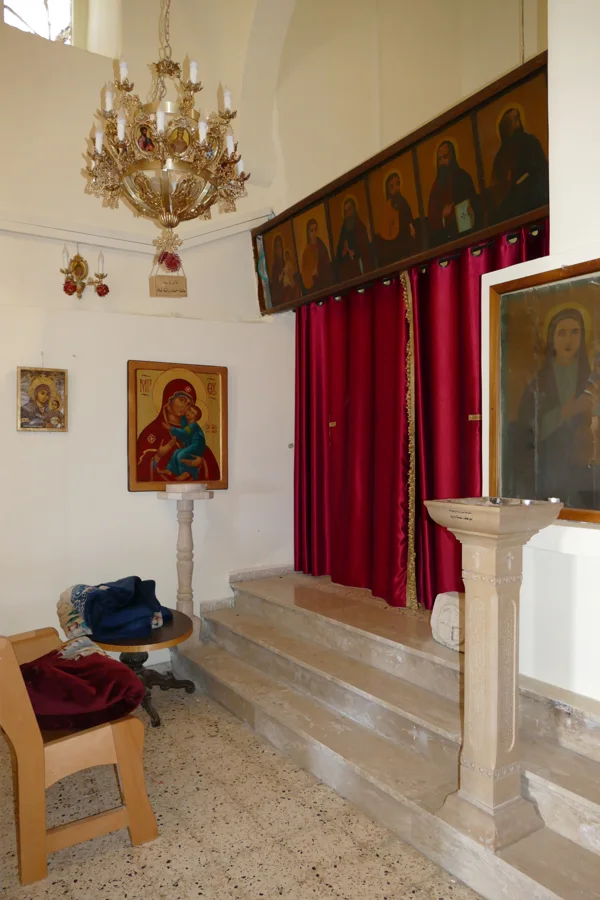
The church still stands. Descendants have returned for religious services and gatherings, maintaining a connection to the village across generations. Read the field research.